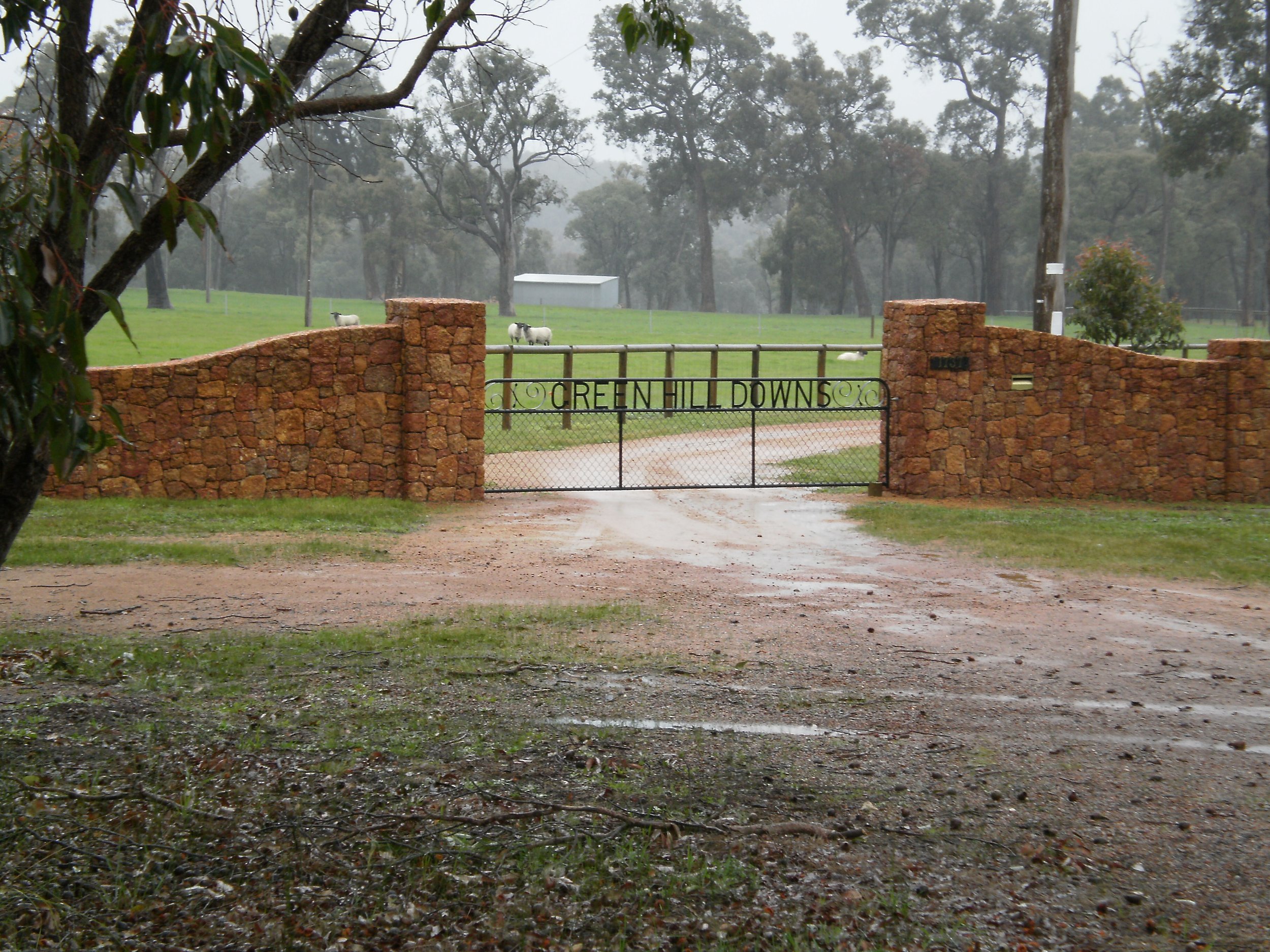
SPOTLIGHT: COFFEE ROCK
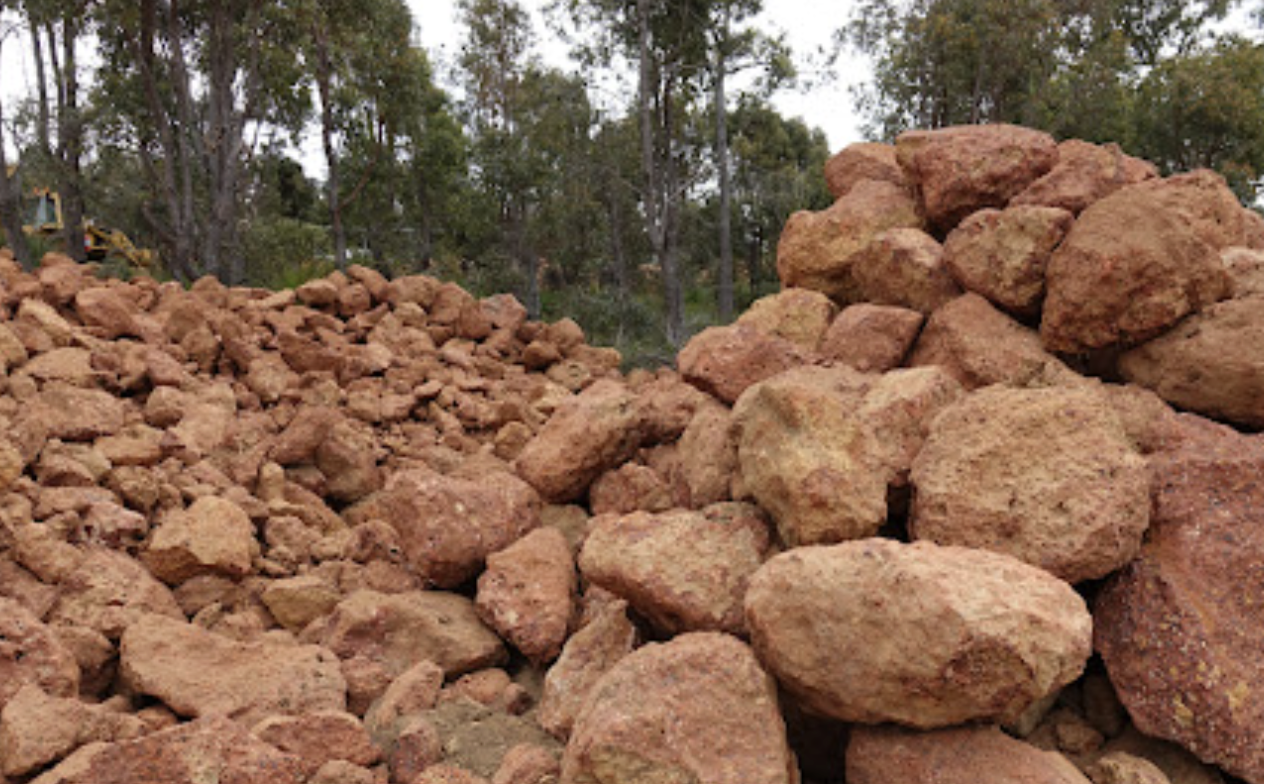
If you’ve spent any time in the PERTH Hills, you’ll know laterite when you see it.
Better known as ‘Coffee Rock’, it’s that deep, rusty-red stone you often see while hiking through the bush, or in piles on a block after a pool or pad excavation. Most of us are familiar with the clang of a shovel meeting a buried boulder when digging in the garden.
Laterite forms from iron-rich soils that have hardened over time, which is where the rusty colour comes from. The stone itself can vary quite a bit. Some pieces are dense and solid, while others are softer and more crumbly. Compared with granite - which is extremely hard and consistent - laterite is easier to shape and work with.
It’s a material most hills stonemasons have worked with. When I was younger I spent a lot of time working alongside my dad at St Brigid’s College in Lesmurdie, where laterite is used all over the grounds. One of the larger projects there was a 180-degree retaining wall wrapping around the sports oval, built from laterite mined directly from the site.
Coffee rock is popular in the Hills partly because it’s local and readily available, but also because it fits the landscape so naturally. The warm red tones sit comfortably against the jarrah and marri bushland, and the rough texture natural, earthy tones give walls a bit of character. It’s particularly well suited to retaining walls, steps, garden edging and feature walls.
For anyone choosing stone for a project in the Hills, I’d consider this well-loved material.